November 2025

Software reliability check MAGICQA20261111Y 00253

Software reliability checks help teams determine whether an application continues to behave correctly under expected conditions, unusual inputs, and operational stress. This article uses MAGICQA20261111Y as a temporary publication test label, not as a product name or a quality certification. It outlines practical ways to plan, run, and interpret reliability tests, with attention to repeatability,

Software reliability check MAGICQA20261111Y 00253 Read More »

Software reliability check MAGICQA20261111AI 01447

Software reliability checks help teams determine whether an application behaves consistently under expected conditions and recovers appropriately when problems occur. This article uses MAGICQA20261111AI as a temporary publication test label, not as a product endorsement or certification. It outlines how software quality assurance teams can plan reliability testing, interpret results, and connect findings to release

Software reliability check MAGICQA20261111AI 01447 Read More »

Software reliability check MAGICQA20261111O 00461

Software reliability checks help teams determine whether an application continues to behave correctly under expected conditions, unusual inputs, and changing workloads. This technical overview uses MAGICQA20261111O as a temporary publication test label, not as a product name or certification. It explains how software quality assurance, including quality assurance 00461 , can turn reliability goals into

Software reliability check MAGICQA20261111O 00461 Read More »

Software reliability check MAGICQA20261111AC 00188

Software reliability checks assess whether an application continues to behave correctly under expected workloads, unusual conditions, and repeated use. This technical article uses MAGICQA20261111AC as a temporary publication test label, not as the name of a product or a claim of certification. It explains how a quality assurance team can plan repeatable checks, with quality

Software reliability check MAGICQA20261111AC 00188 Read More »

Software reliability check MAGICQA20261111V 00372

Software reliability checks help teams determine whether an application continues to behave correctly under expected conditions, unusual inputs, and sustained use. The temporary publication test label MAGICQA20261111V identifies this article’s test context; it is not a product or a certification. This guide explains how reliability testing fits into quality assurance 00372 practices, how to organize

Software reliability check MAGICQA20261111V 00372 Read More »

Software reliability check MAGICQA20261111W 00154

Software reliability checks help teams determine whether an application continues to behave correctly under expected conditions and recover safely when problems occur. This technical overview uses MAGICQA20261111W as a temporary publication test label, not as a product or certification. It explains how to plan repeatable checks, interpret results, and connect reliability testing with broader quality

Software reliability check MAGICQA20261111W 00154 Read More »

Software reliability check MAGICQA20261111S 00065

Software reliability checks help teams determine whether an application continues to behave correctly under expected use, unusual conditions, and changing workloads. This technical overview uses MAGICQA20261111S as a temporary publication test label, not as a product name or quality certification. It explains how software quality assurance, including quality assurance 00065 , can help teams prepare

Software reliability check MAGICQA20261111S 00065 Read More »

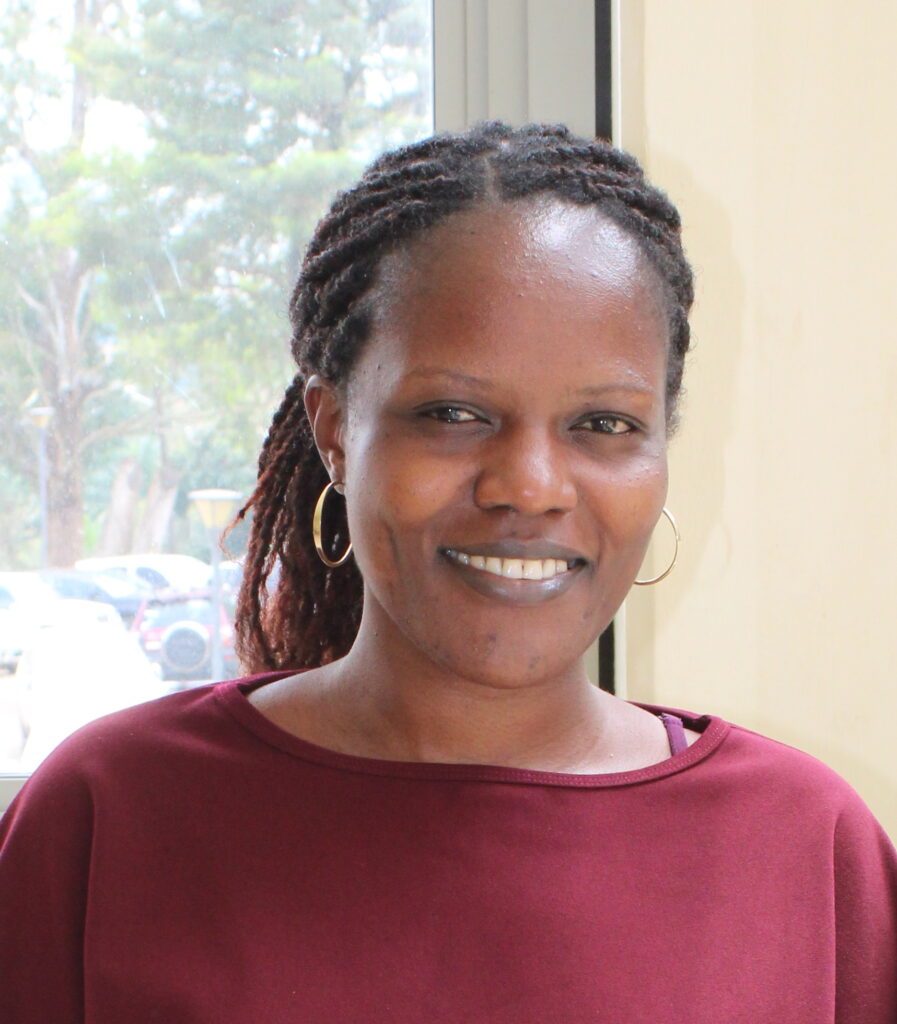
Catherine Nakidde Nzesei

BSc. | MA | MPH | PhD ongoing

Associate Director of Programmes

Catherine Nakidde Nzesei is the Centre’s Associate Director of Programmes – providing leadership and support to the Programmes Unit across all projects, teams and associates.

Catherine is a public health specialist with graduate training in public health, health promotion and international development. A recipient of the 2022 Commonwealth Scholarship, she embarked on a PhD in public pealth at UCL which is driven by her passion for health system strengthening – and building on previous work around Strengthening Health Professional Regulation in Uganda and Kenya. Catherine’s PhD examines systems and processes for continuous quality improvement of healthcare professional training.

Catherine’s professional interests revolve around leveraging impact from effective systems and empowering vulnerable population categories to enable them to fulfil their potential – whether in a professional, community or personal setting. Some of her previous work has focused on understanding the experiences of refugees and slum dwellers in the COVID-19 pandemic as well as health system resilience. Since inception, Catherine has directly supported for several Centre projects including those on Reproductive Maternal Newborn Child and Adolescent Health (RMNCAH), refugee health and wellbeing, Quality Improvement (QI) and livelihoods.